How to Get More Web Design Work as a Freelancer?
So you are skilled and experienced in designing and optimizing websites, but you are joining the web design marketplace as a freelancer. You know that this type of business is flooded with professionals who have worked with small and big companies over the years. But being the free-willed and go-getter person you are, you decide that it is best to put your skills to the test to earn your way to success and achieve personal development.

Whether you are new to this field or already established your business, the following tips will help you locate the right jobs that match your skills, build a robust portfolio and earn good money.
1. Start with customizing your website
As is the norm of any business, building and selling your brand starts with informing your potential clients about your company and products or services. As a freelancer, the best way to woo your clients is by customizing your site. It is their first place where users can see all your work, contacts and how you price your services.
In today’s market, your website must go beyond simply meeting customer expectations. Whereas a designer’s portfolio used to be a static gallery of work, it is now more of an interactive experience. Make sure your website showcases your expertise in using modern layouts, boasts lightning-fast loading speeds and is perfectly responsive across all types of devices. Consider adding a self-assessment test to help users identify their needs, or an automated appointment-booking tool, for example, to the homepage.

The site should offer a personalized approach to solving your client's needs in the shortest time possible. Also, it acts as a sales page where clients can request your services.
2. Take to social media marketing
While your prospects may be small business entrepreneurs or top management from giant companies, you can never underestimate the online presence you may unearth from social media. Nowadays, people spend most of their time online, so it doesn't surprise that they will look for your business on social media platforms.
Don't limit yourself to traditional platforms either. Professional networks like LinkedIn and visual-heavy spaces like Behance or X (Twitter) are goldmines for freelance designers. Share your design process, post "before and after" redesign snippets, and talk about how you solve specific business problems. When you share value consistently, your potential clients start discovering you through their feeds.

The comments or reactions your page receives can be equated to customer reviews where potential customers can vet your performance and professionalism.
Joining a social media group increases your chances of meeting people from all walks of life. It acts as a stepping stone to a vast realm of opportunities since you meet with international clients. Don't get surprised when someone from Asia or South America chooses you to handle their next project.
While you could be the best design expert of all time, always remember that professionalism is your biggest bargaining chip, even on social media. Ensure you respond to all their requests and provide the best solutions to address any concerns they may have.
3. Cold-pitch your brand to potential clients
Customers are looking for the best services, but most of them are not sure whether you are qualified for the job. This is the time to put your cold-pitching proficiency to the test. When a client hits your email or contacts you via social media or website, craft a creative pitch to help them realize why choosing you is the best decision they can ever make.
To make your pitch truly irresistible, drop the generic templates. Instead, do a quick audit of the prospect's current site. Point out two or three specific areas where they are losing money, such as a confusing checkout process or a broken mobile layout, and record a short, personalized video breakdown. Showing that you understand their unique challenges before they even hire you will instantly put you ahead of 99% of your competitors.

Remember, your target audience is a group of individuals who know how the Internet of Things (IoT) works. The more you show your web designing skills, the more it will influence more traffic which will translate into sales to their business to better your chances of trusting your services.
4. Local businesses could be your biggest cheerleaders
Businesses around where you live or work may seem like they already know who they want when promoting one of their own. Nowadays, locating resident businesses online or through referrals is easy. As a skilled site crafter, identify which organizations do not have websites or upgrade theirs to the latest formats and approach them with a good proposal.
Don’t just look for businesses that have no web presence at all—look for those whose websites are outdated and failing to adapt to modern search engine standards. Approach them with a clear, value-driven proposition: explain how a modern revamp can improve their local Google ranking and bring in more foot traffic. Local business owners love supporting resident experts, and a single successful local project can trigger a powerful chain reaction of word-of-mouth referrals.

It is time you took this advantage and reached out to them. Once client work begins, freelancers often rely on standardized workflows to manage billing and documentation, including PDF invoice templates to keep records consistent and professional. You can choose to book an in-person appointment or call them directly. If they respond, ensure you avail yourself for the interview and show your projects to them.
Furthermore, think of "occasions" in the digital space as well—such as a local business celebrating an anniversary, launching a new seasonal product line, or rebranding. You can offer limited-edition landing pages or micro-sites tailored specifically for these campaigns. It’s an easy, low-friction entry point for clients who might not be ready for a full website overhaul just yet but desperately need to boost their seasonal sales.
5. Use special occasions to market your brand and increase your referrals
As it stands, weddings, graduations, birthday parties and staff retreats happen almost every week. Web designing should not only be limited to companies alone. Instead, it should also help you widen your networking skills for such types of occasions.
Of course, these events attract business proposals for various companies. Use this opportunity to make your intentions known to the companies involved in organizing the events or providing other services.

A word-of-mouth marketing strategy also works in such a scenario as your previous clients are your best referrals. If someone was happy with your work, request them to refer their friends to your business. Let them know that their contributions towards growing your venture is highly appreciated.
6. Be part of an association or a group of web designers
The best way to understand how your industry behaves is by being part of like-minded people. If you are launching a web design agency, you might need a lot of graphic work done for your various project requirements. A quick solution to that is to "outsource your graphic design" needs so you can focus on designing websites. There are companies like BrandRipe who charge a fixed monthly fee and provide graphic design services for the whole month with unlimited designs and revisions. This way, you can not only save some money but can also network with fellow graphic designers and get new clients through those networks. They can also share insight into where you can land gigs and the latest market trends. Use this time to grow your potential.
Today, this collaboration goes even deeper with cloud-based design systems like Figma. Being part of designer communities on Slack, Discord, or Reddit allows you to team up with developers, SEO specialists, and copywriters on larger, higher-budget projects. By built-in networking and knowing when to outsource elements like heavy graphic creation or complex backend coding, you can operate like a full-scale digital agency while maintaining the freedom and low overhead of a freelancer.

7. Leverage Low-Code Platforms and AI Tools to Scale Your Output
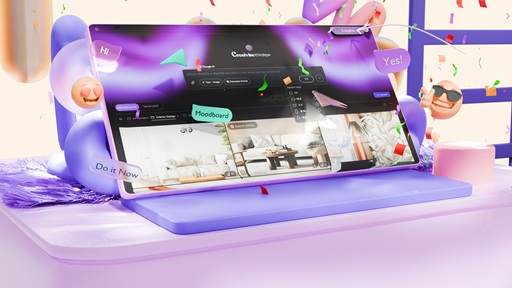
With the emergence of cutting-edge ‘no-code’ and ‘low-code’ platforms such as Webflow and Framer, as well as AI-powered design tools, the field of web design has undergone radical changes. Clients now expect faster turnaround times without compromising on quality, thanks to the use of various tools for automating and optimizing design processes.
By mastering AI tools for brainstorming, wireframing, or generating placeholder content, you can drastically cut down your project timeline. This allows you to take on more clients simultaneously, shifting your focus from tedious coding to high-level UX strategy and conversion rate optimization—which is what clients are truly willing to pay a premium for.
8. Offer High-Value Add-ons: Speed, Security, and Accessibility
In today’s digital ecosystem, a visually appealing website is of no use if it loads slowly or is penalised by search engines. Position yourself as a long-term strategic partner, rather than simply a designer focused solely on the visual aspects. Include in your service packages the support required after the website goes live.
Show them that you develop websites using a ‘mobile-first’ approach, optimise them for Google’s Core Web Vitals metrics, and implement strict security protocols. Website accessibility (compliance with ADA requirements) now plays just as important a role as the overall appeal of the design. It is a legal and ethical necessity for businesses. Explaining these technical aspects to clients and incorporating them into your workflow immediately sets you apart from the competition and justifies higher rates for projects.
The beauty of being a web designer is that you choose when to work and who you will work with. As long as you are proficient and abide by your work ethic, there is no reason why anyone would not want to work with you. Once you get the clients who value your services, ensure you do your job right the first and every other time.
Copyright © . All Rights Reserved