Why Modern Web Design Must Consider SEO From Day One
Introduction
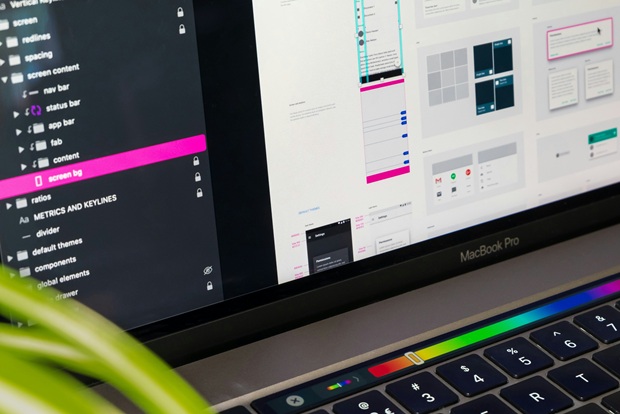
A visually attractive website is no longer enough to succeed online. In today’s digital environment, websites must not only look professional but also perform well in search engines, load quickly, provide excellent user experience, and guide visitors toward conversion.
Many businesses still make the mistake of treating web design and SEO as separate processes. They first build a website and only think about SEO later. Unfortunately, this approach often creates technical limitations, poor rankings, weak user experience, and lost business opportunities.
Modern search engines evaluate websites based on much more than keywords. Google now considers factors such as:
- Mobile usability
- Page speed
- User engagement
- Website structure
- Accessibility
- Content experience
This means web design directly influences search visibility.
In the AI-driven search era, websites must be built strategically from the beginning with SEO, usability, and conversion optimization working together as one system.
Why Websites Fail Without SEO Structure
Many websites fail not because the business lacks quality products or services, but because the website itself is poorly structured for visibility and usability.
The Problem With Design-Only Websites
Some websites focus heavily on visuals while ignoring:
- Search engine crawlability
- Mobile performance
- Content hierarchy
- Internal linking
- User navigation
A beautiful website that cannot rank on Google delivers limited business value.
Search Engines Need Structured Architecture
Modern websites require clear information architecture so search engines can understand:
- What the website offers
- Which pages are important
- How content is organized
- What topics the website specializes in
Without proper structure, search engines struggle to interpret relevance and authority.
SEO Should Start Before Development
SEO decisions affect:
- URL structure
- Navigation systems
- Content placement
- Technical framework
- Page hierarchy
Making these decisions after development often requires expensive redesigns and technical fixes.
This is why businesses increasingly involve a professional SEO agency during the planning stage of website development.
The Relationship Between UX and Rankings
User experience and SEO are now deeply connected.
Google increasingly prioritizes websites that provide positive experiences for real users.
What Google Measures Today
Modern ranking systems evaluate signals such as:
- Bounce rate tendencies
- Engagement patterns
- Mobile usability
- Page speed
- Navigation efficiency
If users quickly leave a website due to frustration, rankings can suffer over time.
Why User-Centered Design Matters
Good UX design helps users:
- Find information quickly
- Navigate easily
- Trust the brand
- Complete actions smoothly
This improves both conversion rates and SEO performance.
Website Simplicity Improves Performance
Overcomplicated websites often create:
- Slow loading times
- Confusing layouts
- Higher abandonment rates
Modern web design trends increasingly focus on simplicity, clarity, and usability because these elements support both users and search engines.
Mobile-First Indexing Changed Website Design Forever
Google now primarily evaluates websites using mobile-first indexing.
This means the mobile version of a website is considered the primary version for ranking purposes.
Why Mobile Performance Matters
Most users now browse websites using smartphones.
Customers expect:
- Fast loading speed
- Responsive layouts
- Easy navigation
- Readable content
If a website performs poorly on mobile devices, rankings and conversions both suffer.
Mobile Optimization Is More Than Responsiveness
True mobile-first design includes:
- Touch-friendly interfaces
- Compressed image optimization
- Fast rendering performance
- Simplified navigation systems
Modern web development must prioritize mobile experiences from the beginning.
Technical SEO in Modern Web Development
Technical SEO forms the foundation of website visibility.
Even strong content may struggle to rank if technical issues exist.
Important Technical SEO Elements
Modern websites should include:
- Clean code structure
- Fast page loading
- Secure HTTPS protocols
- XML sitemaps
- Schema markup
- Optimized Core Web Vitals
These elements improve both indexing and user experience.
Site Speed Is a Ranking Factor
Slow websites create major problems:
- Higher bounce rates
- Lower engagement
- Poor mobile experience
Users expect websites to load almost instantly. Even small delays can reduce conversions significantly.
Structured Data and AI Search
Structured data helps search engines understand website content more clearly.
This becomes increasingly important as AI-powered search evolves.
Schema markup can improve visibility in:
- Featured snippets
- AI Overviews
- Rich search results
Websites that adopt structured SEO frameworks early gain stronger long-term visibility.
Conversion-Focused Web Design Strategies
Modern websites should not only attract traffic but also convert visitors into customers.
Design Must Support Business Goals
Effective web design guides users toward actions such as:
- Contact inquiries
- Purchases
- Bookings
- Form submissions
Every design decision should support these goals strategically.
Clear Calls-to-Action Improve Results
Visitors should instantly understand:
- What the business offers
- Why it matters
- What action to take next
Confusing websites reduce trust and conversion performance.
Visual Trust Signals Matter
Modern users evaluate trust quickly.
Important trust-building elements include:
- Professional branding
- Testimonials
- Security indicators
- Consistent design systems
- Clear business information
These signals improve both conversion rates and credibility.
Why Businesses Need Professional SEO and Design Collaboration
SEO and web design are now interconnected disciplines.
Businesses that separate them often experience:
- Ranking limitations
- Technical problems
- Poor user experience
- Lower conversions
Collaborative strategies produce stronger long-term results.
Why Professional Guidance Matters
Experienced specialists understand how to align:
- Search visibility
- UX design
- Technical optimization
- Conversion strategy
This integrated approach creates websites that perform effectively across multiple business goals.
A specialized web design service can help businesses build websites that combine modern aesthetics with SEO-friendly architecture and conversion optimization.
AI-Friendly Website Design Is Becoming Essential
AI-powered search is reshaping how websites are discovered and ranked.
Google’s AI systems increasingly evaluate:
- Content clarity
- Structured information
- Semantic relevance
- User experience quality
Websites designed only for visual appeal may struggle in future search environments.
Conversational Search Is Changing Content Structure
Users increasingly search using natural language queries such as:
- “Best digital marketing agency near me”
- “Affordable website design services for small businesses”
This means websites need content structures optimized for conversational intent.
Semantic SEO and Topical Authority
Modern SEO now focuses heavily on:
- Topic depth
- Contextual relevance
- Content relationships
- Entity optimization
Websites built with semantic architecture perform better in AI-driven search ecosystems.
Future Trends in Web Design and SEO
The future of websites will be shaped by both AI technology and evolving user expectations.
Emerging Trends Include:
- AI-assisted user experiences
- Voice search optimization
- Faster interactive web experiences
- Accessibility-first design
- Personalized website content
Businesses that adapt early will gain stronger competitive advantages.
Search Visibility Will Depend More on Experience
Future search algorithms will increasingly prioritize:
- Real user satisfaction
- Engagement quality
- Trustworthiness
- Accessibility
This means SEO and design will become even more integrated over time.
Building Long-Term Digital Assets
A well-designed SEO-friendly website is not just a marketing tool — it becomes a long-term business asset.
Strong websites generate:
- Consistent organic traffic
- Better lead generation
- Higher conversion rates
- Stronger brand authority
Unlike short-term advertising campaigns, SEO-focused websites continue delivering value over time.
Businesses investing strategically in both design and SEO today position themselves for sustainable digital growth in increasingly competitive markets.
Conclusion
Modern web design can no longer ignore SEO. Search visibility, user experience, technical optimization, and conversion strategy now work together as essential parts of digital success.
Websites built without SEO structure often struggle with rankings, usability, and long-term performance. Meanwhile, businesses that integrate SEO from the beginning create stronger digital foundations that support growth, trust, and visibility.
From mobile-first design and technical SEO to AI-friendly architecture and conversion-focused experiences, every element now influences how websites perform online.
As search engines continue evolving through AI and user-focused ranking systems, businesses that combine modern web design with strategic SEO will be best positioned for long-term success.
Copyright © . All Rights Reserved